Oct 19, 2026Guides & Technical Articles
ESP Power Supply Selection Checklist for Kitchen Exhaust System Manufacturers
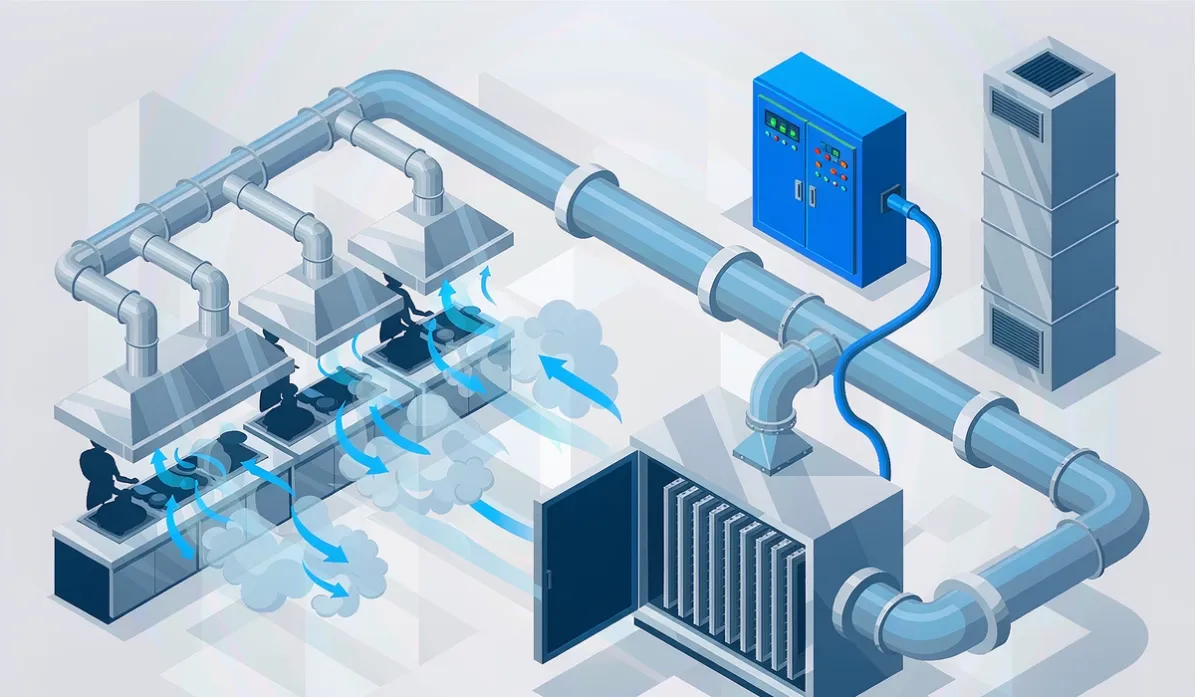
Selecting an appropriate ESP power supply is an important step when designing or sourcing an electrostatic precipitator (ESP) for commercial kitchen exhaust treatment. The power supply must match the electrical and operating requirements of the complete purification system.
For kitchen exhaust equipment manufacturers and system integrators, checking a few key parameters before purchasing can help reduce compatibility issues and avoid unnecessary installation delays.
1. Confirm the Required Input Voltage
Start by checking the available AC supply at the installation site. Confirm the rated input voltage, frequency and permissible voltage variation with the power supply manufacturer.
Do not assume that every high-voltage ESP power supply supports the same input conditions.
2. Check the High-Voltage Output Range
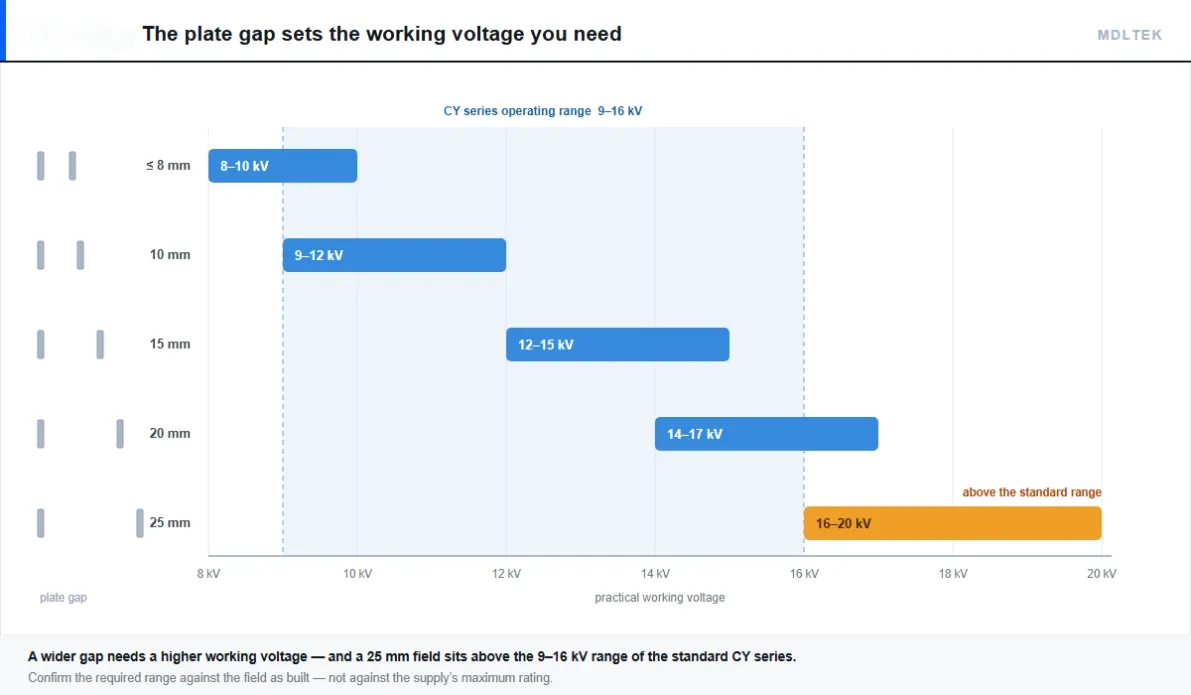
Different ESP systems may require different high-voltage operating ranges. Confirm the required output voltage and current against the specifications of the ESP electrodes and associated equipment.
The maximum output rating alone does not establish compatibility. The actual operating requirements of the complete system must also be considered.
3. Match the Power Rating to the Application
ESP power supplies may be offered in different power ratings, such as 200W, 300W and 500W. These ratings should be treated as starting points for technical evaluation rather than universal indicators of system capacity.
The appropriate choice depends on the ESP design, electrode configuration, operating conditions and manufacturer's recommendations.
4. Review Protection and Control Functions
Ask about arc or flashover protection, overload protection, short-circuit protection and output regulation. Where remote control or status monitoring is required, confirm the available interfaces and control signals.
These details are especially important for equipment manufacturers integrating the power supply into a complete product.
5. Confirm Mechanical and Installation Requirements
Check the dimensions, mounting method, cooling requirements, electrical connections and environmental conditions. Adequate space and appropriate installation arrangements can help support reliable operation.
6. Request Documentation Before Ordering
Before placing an order, request the datasheet, wiring diagram, installation instructions and any relevant test documentation. If the power supply will be used in an existing ESP system, provide the equipment model and electrical specifications for compatibility review.
Conclusion
A suitable ESP power supply is selected by matching electrical ratings, protection functions, mechanical requirements and system compatibility—not simply by choosing the highest available wattage.
MDL TEK offers ESP power supply options in 200W, 300W and 500W ratings, subject to model availability and technical confirmation. Contact our team with your system specifications to discuss a suitable option.